CONCORDIA NEWS
We will protect your pet with 100% care and professionalism!
 Concordia Pet Care
 2026-07-28


Most bee stings in dogs cause mild local pain, swelling, redness, or persistent licking at the sting site. Dogs are frequently stung on the muzzle, lips, tongue, or paws because they curiously sniff, nose, or snap at flying insects. While mild local swelling is already uncomfortable, the primary goal for every owner is to assess whether their dog is showing signs of a systemic allergic reaction, airway swelling, or shock.
If your dog shows facial swelling, widespread hives, vomiting, diarrhea, weakness, collapse, pale gums, or breathing difficulty: Seek immediate 24-hour emergency veterinary care.
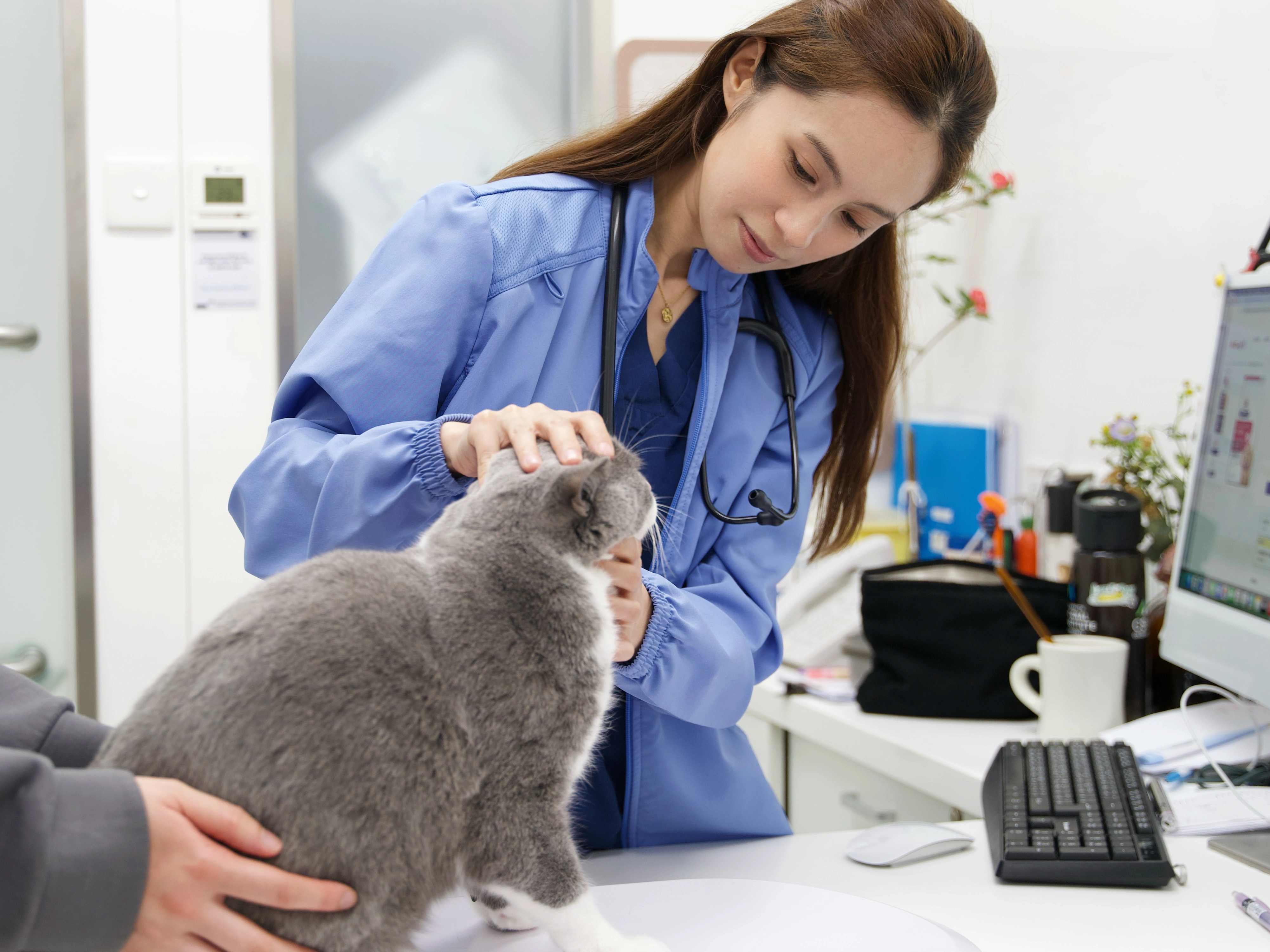
If your dog has mild local swelling, remains bright and energetic, and is breathing normally: Contact your local clinic or arrange a general health care assessment to discuss whether a check-up is needed.
1. Move Your Dog to Safety: Immediately relocate your dog away from the insect area to prevent further stings.
2. Keep Your Dog Calm: Handle your dog gently and minimise excitement while you assess the sting and arrange care.
3. Assess the Critical Signs: Check their breathing, gum color (should be healthy pink), energy level, and the sting location.
4. Remove the Stinger (If Visible): If a bee stinger is visible on the skin, gently scrape it away horizontally using a card-like edge (such as a credit card). Do not use tweezers or squeeze the area, as this presses the attached venom sac and injects more toxin into your dog.
5. Apply a Cold Compress: Apply a cool, damp cloth or ice pack wrapped in a towel for 5–10 minutes if your dog tolerates it comfortably.
Caution for Owners: Never administer human antihistamines, human painkillers, essential oils, or topical remedies unless explicitly prescribed by your veterinarian for your specific dog. Human products often contain ingredients (like xylitol or decongestants) that are highly toxic to pets. Furthermore, a dog developing anaphylaxis requires urgent prescription veterinary care, not home monitoring.
Head to an emergency veterinary hospital immediately if your dog displays any of the following warning signs:
l Breathing difficulty, increased breathing effort, noisy breathing, or open-mouth breathing at rest
l Rapidly spreading swelling around the face, throat, eyes, or neck
l Widespread hives (raised bumps under the coat)
l Repeated vomiting or sudden diarrhea
l Sudden weakness, disorientation, trembling, or collapse
l Pale, grey, or muddy-colored gums
l Marked agitation, sudden restlessness, or rapidly worsening distress
Critical Note: Stings inside the mouth, on the tongue, or around the throat require extreme caution. Local swelling in these narrow pathways can rapidly block the airway, even without a full-body allergic reaction.
Multiple stings from a disturbed nest present a far higher risk due to venom toxicity, especially in small dogs, puppies, senior pets, or dogs with pre-existing heart or respiratory conditions.
Paw & Limb Stings: A sting on a paw often causes limping, holding the paw up, and persistent licking. Systemic risk may be lower than with mouth or throat stings, but owners should still monitor for spreading swelling, vomiting, weakness, or breathing changes.
Muzzle, Face & Throat Stings: Stings around the face, lips, tongue, or neck require constant monitoring. Swelling in these areas can quickly interfere with swallowing, eating, or breathing.
Facial Swelling & Systemic Reactions: Facial puffiness can be an early sign of a systemic allergic reaction. Never view a swollen face as purely cosmetic; monitor closely for spreading swelling, vomiting, lethargy, or altered breathing.
Tip: One or more time-stamped photos may help track whether swelling is spreading or stabilising, but taking photos should never delay emergency care if your dog is in distress.
Veterinary care is tailored to the severity of your dog's reaction. Depending on the clinical evaluation, management may range from pain management, local wound care, and removing any lingering stinger for mild reactions, to prescription medications and close monitoring for moderate allergic signs. If a severe reaction or airway blockage develops, immediate veterinary intervention—such as oxygen support, intravenous fluids, and emergency stabilization—is critical.
Beyond reducing visible swelling, a veterinary examination assesses blood pressure, circulation, hydration, body temperature, and whether airway compromise is developing. Some dogs may worsen after initially mild signs, so monitoring should follow the veterinary team’s advice.
If your veterinarian confirms that your dog is stable enough for home monitoring, follow these steps:
Continuous Monitoring: Keep your dog under close observation and check breathing, gum colour, alertness, and the sting site as directed by your veterinary team.
Rest & Confinement: Keep your dog indoors in a cool environment and restrict physical exercise.
Prevent Self-Trauma: Stop your dog from licking, biting, or scratching the sting site. Persistent chewing can damage the skin and lead to secondary infection.
When to Recheck: If your dog develops any of the urgent warning signs mentioned above or their condition worsens at any point, seek emergency veterinary care immediately. Additionally, schedule a recheck if the area becomes moist, red, foul-smelling, or increasingly painful, or if swelling persists beyond what your vet predicted.
l Do not cut the skin in attempt to dig out a stinger.
l Do not squeeze or massage the sting site aggressively.
l Do not administer human medications (such as Panadol/Paracetamol, Ibuprofen, or human cold remedies).
l Do not force food or water if your dog is nauseous or vomiting.
l Do not assume facial swelling is harmless just because your dog can still walk.
If your pet has a known history of severe allergic reactions, ask your vet in advance for a customized emergency action plan tailored to their exact body weight and health status.
Q: Is facial swelling after a bee sting always an emergency?
A: Facial swelling should always be taken seriously. If the swelling is mild and your dog is otherwise energetic and breathing normally, call your clinic for guidance. If swelling spreads rapidly or affects breathing, head straight to emergency care.
Q: Can I give my dog human antihistamines at home?
A: Only do so if your veterinarian has explicitly approved the exact brand, product, and dosage for your dog. Some human products contain decongestants or artificial sweeteners such as xylitol, which can cause severe or life-threatening poisoning in dogs.
Q: How long does bee sting swelling usually last?
A: Mild local swelling typically peaks and begins to improve within a few hours to 1–2 days. However, any swelling that worsens, or is accompanied by vomiting, lethargy, or breathing changes, requires prompt medical evaluation.
 @concordiapetcare










 HOME PAGE