CONCORDIA NEWS
We will protect your pet with 100% care and professionalism!
 Concordia Pet Care
 2026-10-16


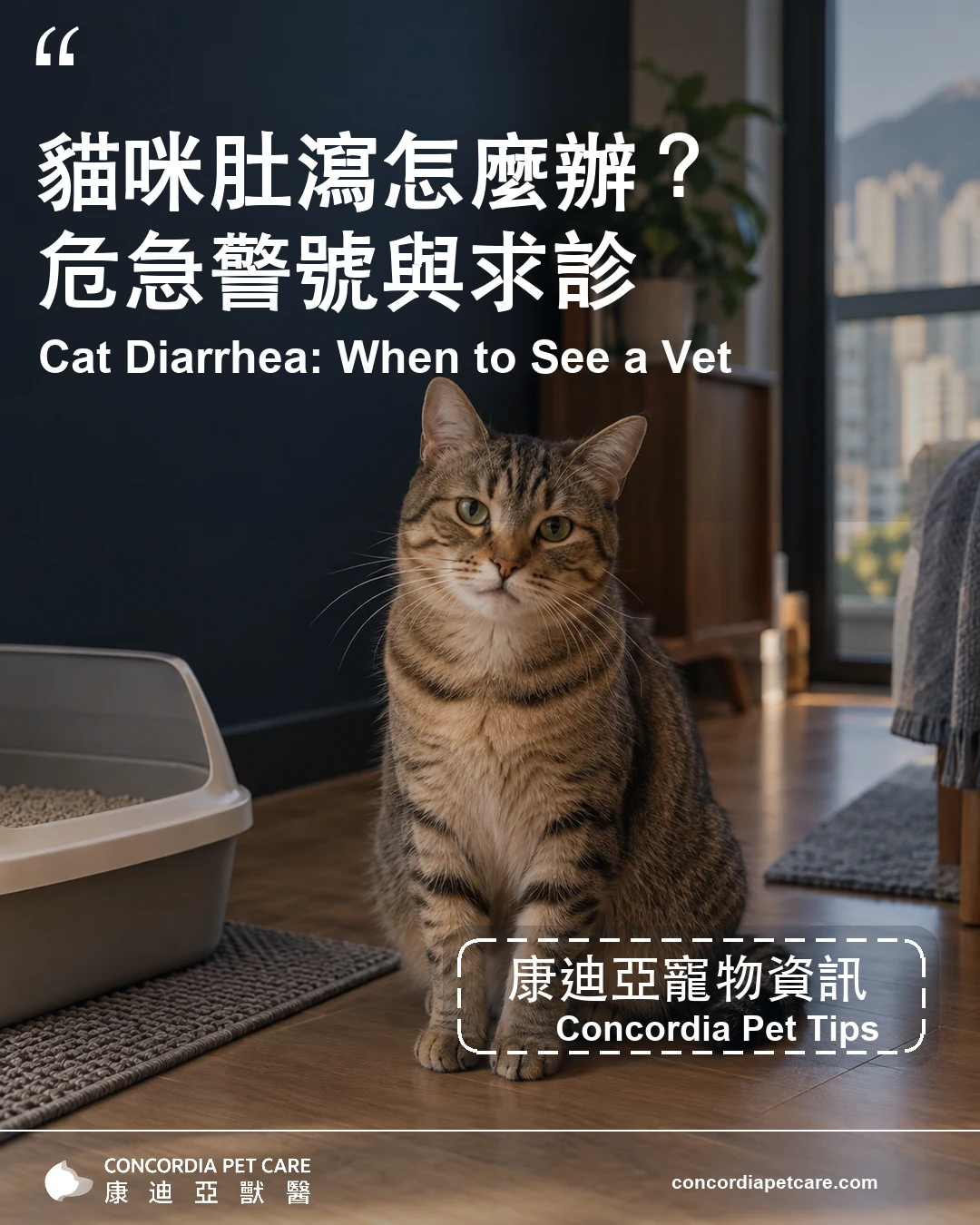
Cat diarrhea occurs when stools contain excess water, ranging from soft and unformed to entirely liquid. While a cat may occasionally have a single mild episode and remain otherwise healthy, frequent watery stools, straining, or lethargy indicate a more serious issue.
Evaluating the urgency of diarrhea involves looking beyond stool consistency alone. A cat’s age, appetite, hydration, pain level, presence of blood, potential toxin exposure, and underlying medical history all play crucial roles.
Diarrhea is a symptom, not a diagnosis. A sudden diet change can be a trigger, but parasites, infections, medicines, intestinal inflammation, pancreatitis, liver or kidney disease, hyperthyroidism, toxins and foreign bodies are other possibilities. Kittens, older cats and cats with existing illness need earlier veterinary advice, especially if diarrhea is frequent or accompanied by other signs.
Diarrhea can range from soft, unformed stool to watery stool, sometimes with mucus or blood. These features may help a vet assess the bowel, but appearance alone cannot establish a cause.
Large-Bowel Diarrhea: Often causes small amounts of stool passed frequently, accompanied by mucus, sudden urgency, or visible straining.
Small-Bowel Diarrhea: Typically produces large volumes of watery or loose stool per bowel movement and is frequently accompanied by weight loss, vomiting, or nutrient malabsorption.
Fresh Red Blood: Bright red streaks or drops may come from the lower bowel, rectum or anus. Appearance alone cannot locate the source with certainty.
Black, Tarry Stool: This may indicate digested blood and needs prompt veterinary advice. Some diets or medicines can also darken stool; photograph it and tell your vet about recent food and medication.
Action Step: Take a clear photograph of any unusual stool in good light to show your vet during the consultation.
Critical warning — diarrhea or a urinary emergency?
Straining in the litter tray may be mistaken for diarrhea or constipation. If a cat, especially a male, repeatedly visits the tray, cries or strains while passing little or no urine, suspect urinary blockage. This is an emergency: seek veterinary care immediately.
A sudden diet change, scavenging, spoiled food or food intolerance can upset a cat's digestive tract. If diarrhea recurs, ask your vet whether an underlying problem needs investigation.
Roundworms, hookworms and protozoa such as Giardia or Tritrichomonas can cause diarrhea. Risk varies with age and exposure; viral or bacterial infection is also possible. Your vet may recommend targeted or repeated fecal testing.
String, ribbon, thread or small toy pieces can cause intestinal injury or blockage. Passing loose stool does not exclude partial obstruction. If string protrudes from your cat's mouth or anus, do not pull it; seek veterinary help urgently.
Cleaning chemicals, toxic plants, pest products and human medicines may poison cats. True lilies can cause severe kidney injury even after small exposures; paracetamol is especially dangerous to cats. If exposure is suspected, contact a vet immediately.
Antibiotics and other prescribed medicines can sometimes cause loose stool. Tell your vet about all recent medicines; do not stop or adjust a prescription without veterinary advice.
Persistent or recurrent diarrhea may be associated with inflammatory bowel disease, pancreatitis, liver or kidney disease, hyperthyroidism or intestinal lymphoma. The vet will choose examinations and tests according to your cat's signs and history.
To help your veterinarian make an accurate diagnosis, prepare the following details:
Do not withhold food from a cat unless your veterinarian specifically advises it.
Cats need regular nutrition. Prolonged poor intake can be serious; hepatic lipidosis is a particular concern when an overweight cat stops eating for several days. Do not fast a cat as a home remedy for diarrhea. If your cat eats much less than usual or has not eaten properly for about 24 hours, seek veterinary advice promptly.
For severe signs outside regular consultation hours, call 2679 1000. Concordia Pet Care's 24-hour emergency service in Happy Valley can advise on arrival and triage your cat by clinical urgency.
Diagnostic testing begins with a thorough physical exam, hydration assessment, abdominal palpation, temperature check, and weight measurement. Based on these findings, your vet may recommend:
Yes. Changes in environment, boarding, or new household members can trigger stress-induced diarrhea. However, medical causes must still be ruled out, especially if the diarrhea persists, contains blood, or is accompanied by other symptoms.
A vet may recommend a specific probiotic for some cats. Ask which product and dose are appropriate; do not substitute yogurt or give an unfamiliar supplement without advice.
Usually not. One soft stool in an otherwise bright adult cat that is eating and drinking normally may be monitored closely. Contact a vet if it recurs, turns watery or other signs appear. Seek earlier advice for kittens, older or medically fragile cats.
Lower bowel irritation can make a cat strain and pass only small amounts of liquid stool. Urinary blockage can look similar: check whether your cat passes urine. If there is little or no urine, seek emergency care immediately.
Frequent watery diarrhea can cause fluid and electrolyte loss, especially with vomiting or reduced drinking. Contact a vet promptly if your cat is weak, not drinking or deteriorating.
 @concordiapetcare










 HOME PAGE