OUR SERVICES
Pets can get excellent medical care here.
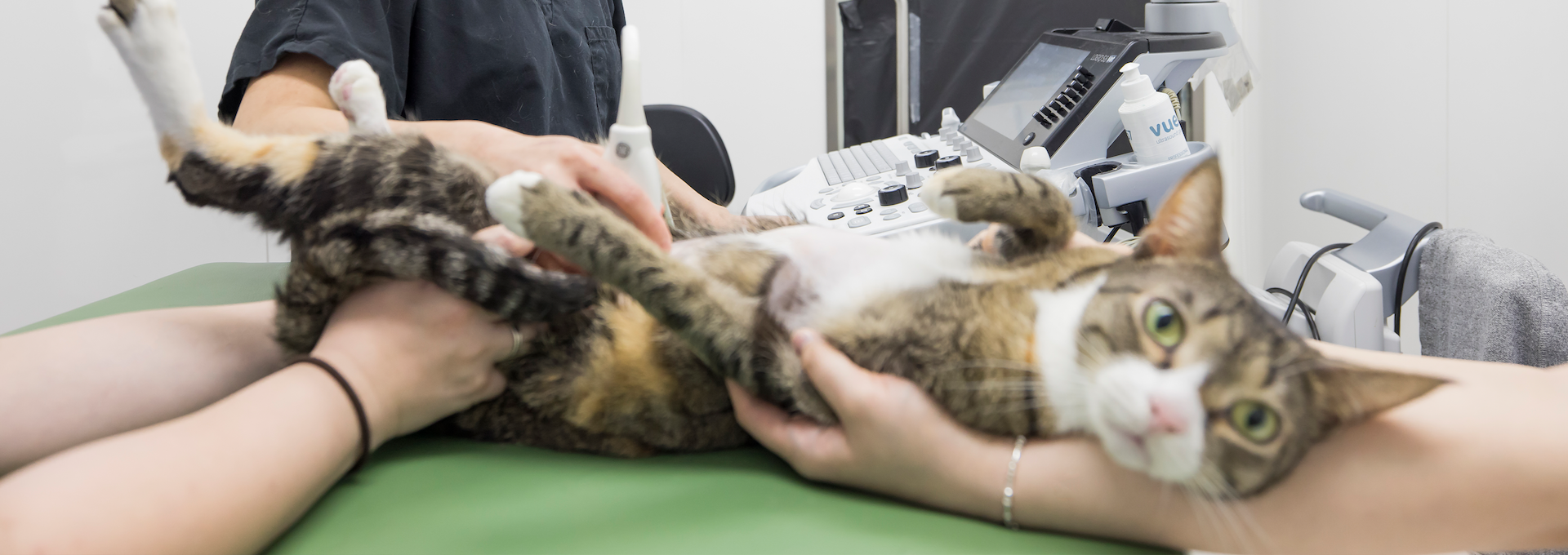

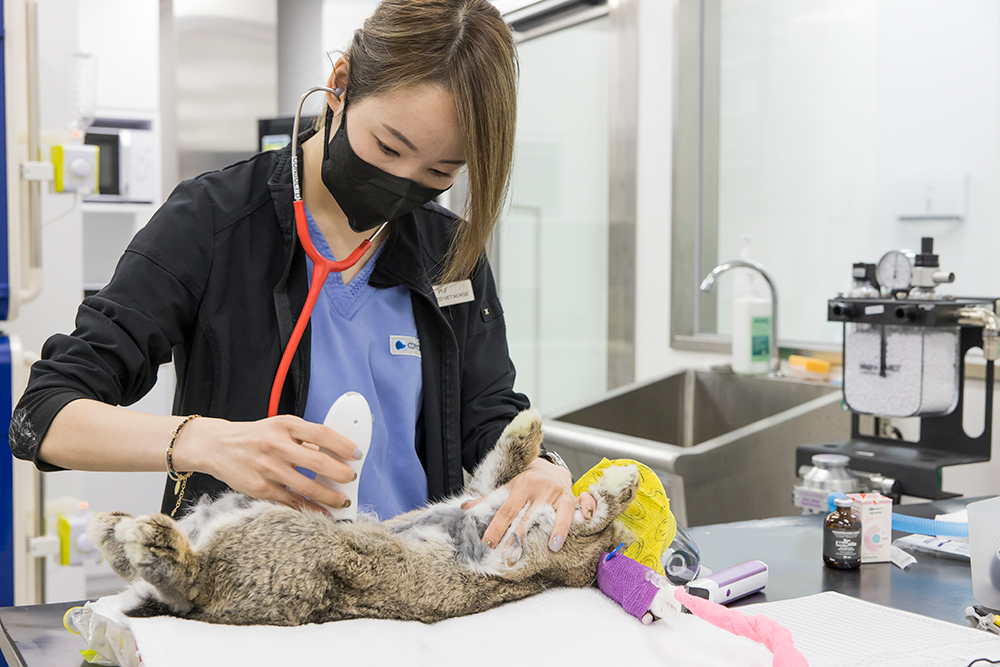
Concordia Pet Care provides veterinary care for exotic animals in Hong Kong, including rabbits, reptiles, turtles, birds and small mammals. Exotic patients have different anatomy, behaviour, metabolism and stress responses from dogs and cats, so they require species-specific handling, diagnostics, anaesthesia and hospital care.
The exotic animal service is led by Dr. Dean Felkler, Head of Exotic Services. Dr. Dean is a Diplomate of the American Board of Veterinary Practitioners in Reptile & Amphibian Practice and an RCVS Advanced Practitioner in Zoological Medicine. The service is supported by veterinary and nursing staff familiar with the needs of rabbits, reptiles, birds, turtles and small mammals.
• Rabbits
• Reptiles, including lizards, snakes and bearded dragons
• Tortoises and aquatic turtles
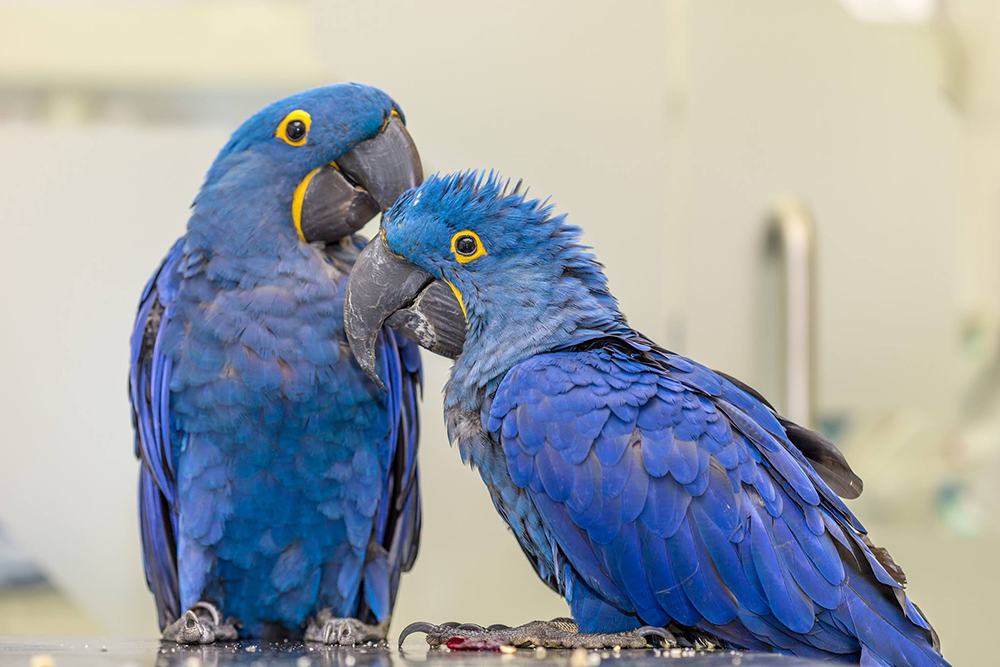
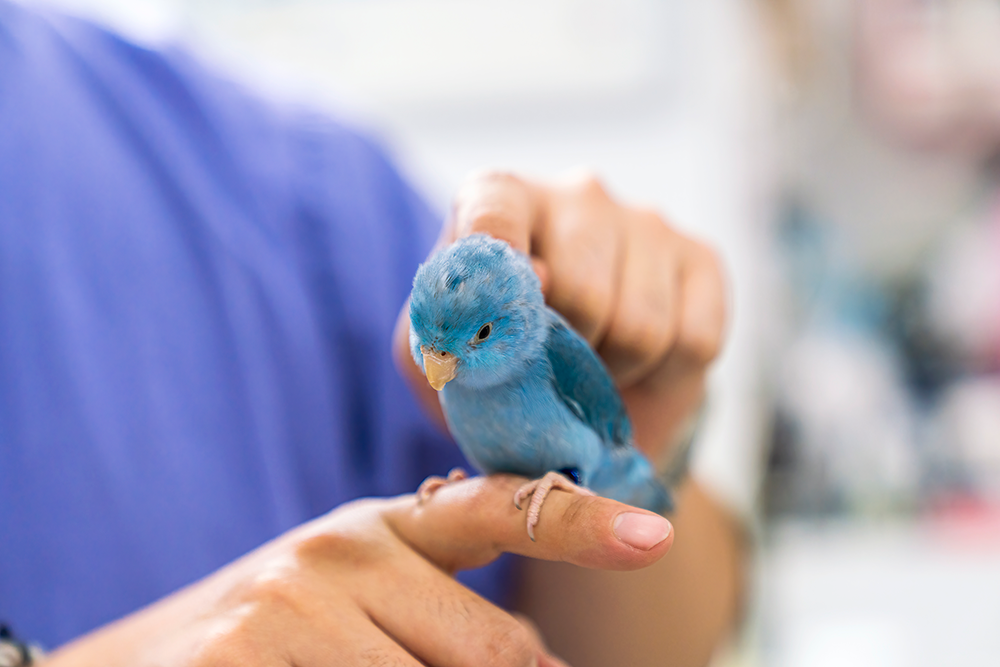
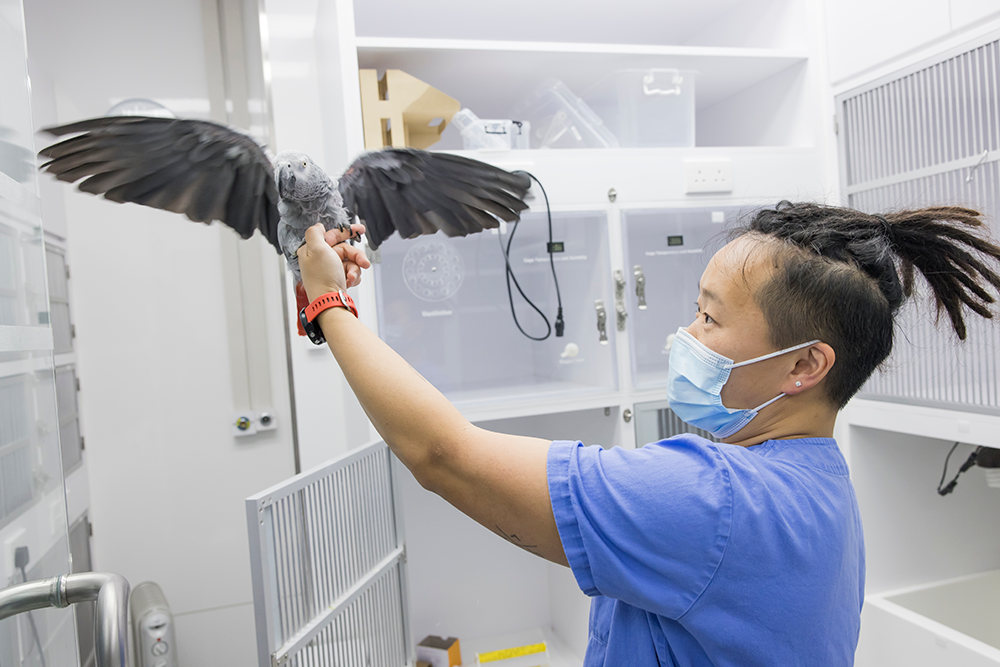
• Birds, including parrots and other companion birds
• Small mammals, including chinchillas, hedgehogs, hamsters, guinea pigs and ferrets
• Amphibians
Exotic animal consultations may involve appetite changes, weight loss, dental disease, skin problems, respiratory signs, digestive issues, reproductive problems or husbandry-related disease. Many exotic animals hide signs of illness until disease is advanced, so early assessment is important when behaviour, appetite or droppings change.
The exotic team can provide a range of soft tissue procedures where appropriate, including reproductive surgery, bladder surgery, gastrointestinal surgery, mass removal and selected abdominal procedures. Each case requires individual assessment because anaesthesia, temperature support and post-operative care vary greatly by species.
Some exotic pets may require fracture repair, external fixation, limb procedures or shell-related surgery. Imaging such as digital radiography or CT may be recommended to understand the injury and plan treatment.
Reptile and amphibian medicine may involve coelomic exploratory surgery, reproductive tract procedures, cloacal prolapse repair, biopsy and mass removal. These cases require careful environmental control and species-specific anaesthesia planning.
Dental disease is common in rabbits and may lead to reduced appetite, drooling, facial swelling or abscess formation. Services may include incisor or cheek-tooth trimming, extraction and management of facial abscesses where appropriate.
Endoscopy may assist diagnosis, foreign body retrieval and selected minimally invasive procedures in suitable exotic patients. Suitability depends on species, size, clinical condition and the purpose of the procedure.
Concordia Pet Care’s exotic services team works closely with the 24-hour emergency department. During the exotic team’s regular consulting hours, urgent exotic cases such as breathing difficulty, dehydration, trauma, dystocia or suspected poisoning may be supported by the exotic team. Emergency arrangements should be confirmed by phone before arrival whenever possible.
• Exotic-specific blood testing equipment
• Temperature-controlled hospital wards
• Aquatic turtle housing support
• Separate exotic ICU area
• Dedicated treatment and surgical setup
• Endoscopy and CT imaging equipment
If your rabbit, reptile, bird, turtle or small mammal is unwell, contact Concordia Pet Care’s exotic animal team. Early veterinary assessment is especially important for exotic pets because subtle signs can represent significant disease.
 Appointment









 HOME PAGE