CONCORDIA NEWS
We will protect your pet with 100% care and professionalism!
 Concordia Pet Care
 2026-11-11


As our pets age, subtle shifts in weight, drinking habits, appetite, mobility, grooming, or behavior often develop gradually. It is easy to attribute these small changes to "just getting old," but they frequently signal manageable underlying health conditions—such as early kidney disease, arthritis, hyperthyroidism, or dental pain. Regular senior health check-ups allow your veterinarian to detect disease early, manage pain, and preserve your pet's quality of life.
Because every senior dog and cat has unique medical needs, there is no one-size-fits-all examination package. A tailored senior wellness check depends on your pet's species, breed, age, medical history, and clinical exam findings.
Your observations at home provide vital diagnostic clues. Before your visit, note any general shifts in your pet's appetite, drinking, urination, bowel movements, body condition, or sleep patterns.
Paying attention to species-specific behavior changes can also provide helpful context:
Pro Tip: Bring a complete list of current medications, joint supplements, and prescription diets. If your pet exhibits intermittent symptoms—such as a brief limp, coughing, or difficulty standing up—bringing a short video clip recorded on your phone can greatly assist your vet during the consultation.
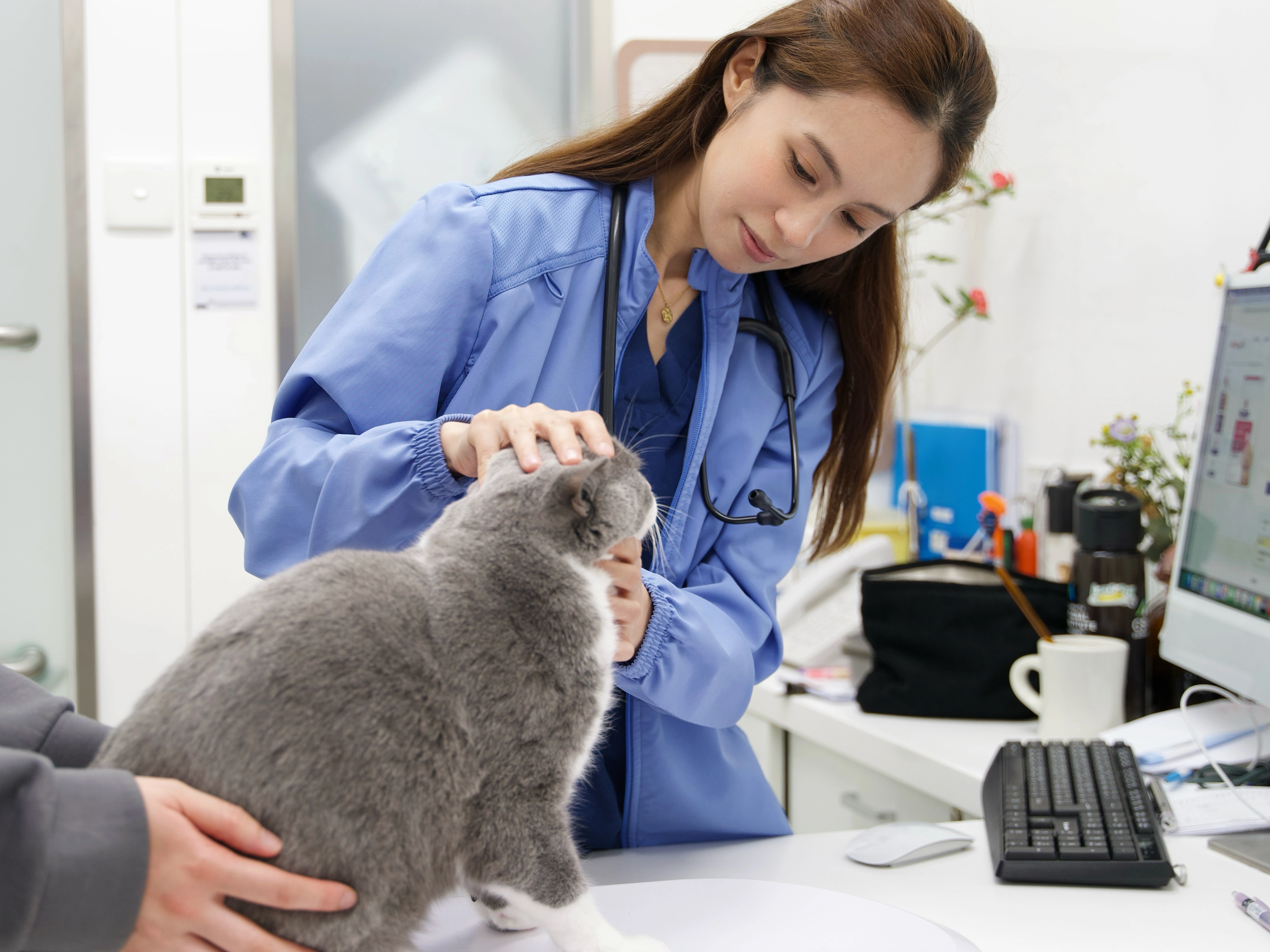
A comprehensive senior check-up begins with a detailed medical history review, followed by a thorough nose-to-tail physical exam. Your veterinarian will typically assess:
While physical exams are crucial, many age-related diseases—such as chronic kidney disease, early liver disease, high blood pressure, or hyperthyroidism—have subtle early signs that cannot be detected by physical touch alone.
Do not wait for a routine check-up if your pet shows any of the following urgent warning signs:
If you observe gradual changes—such as steady weight loss or increased thirst—contact your clinic promptly for an appointment rather than assuming it is normal aging.
At Concordia Pet Care, we offer comprehensive general health care services tailored to your pet's life stage. If your veterinarian identifies subtle changes during a consultation, our medical team can arrange in-house diagnostic testing or diagnostic imaging when clinically indicated to help investigate any underlying health concerns.
Whether your senior pet is due for a routine wellness visit or showing new signs of discomfort, our team is here to support you. For urgent medical concerns outside of regular consultation hours, please call 2679 1000 to contact our 24-hour emergency veterinary team. Patients are assessed according to clinical urgency.
Because every animal's health profile, temperament, and medical history are different, the appropriate check-up schedule should always be decided in consultation with your veterinarian. While general veterinary guidelines often suggest a check-up every 6 months for aging pets, your vet will recommend a tailored timeline based on your pet's current health status, stress tolerance, and any underlying conditions.
No, blood tests are not automatically mandatory for every visit. However, veterinarians commonly recommend regular baseline bloodwork and urinalysis for senior pets because many age-related diseases (such as early kidney disease or endocrine disorders) cannot be detected by physical examination alone. Before any testing is performed, your veterinarian will discuss your pet's history, explain the purpose of the proposed tests, and outline potential next steps so you can make an informed decision together.
Yes. Cats and dogs are instinctively adept at masking pain and illness. Routine senior visits give your veterinarian a baseline to track subtle changes over time and allow for proactive preventive care.
 @concordiapetcare












 HOME PAGE