CONCORDIA NEWS
We will protect your pet with 100% care and professionalism!
 Concordia Pet Care
 2026-06-29


In Hong Kong, dog vaccination is rarely just a matter of “getting one injection”. Owners often start asking questions when they bring home a new puppy, adopt an adult dog with incomplete records, realise the dog licence is expiring, or need a vaccination card for grooming, boarding, day care, dog training or dog-park activities. This guide explains dog vaccination schedules, the 5-in-1 vaccine, rabies vaccination, dog licence basics and what to prepare before booking a veterinary appointment.
The article is written for everyday Hong Kong dog-owner situations and refers to international small-animal vaccination guidance and Hong Kong AFCD information. Because every dog’s age, health status, lifestyle and previous vaccination history are different, the final vaccination plan should be confirmed after veterinary assessment.
Vaccines help a dog’s immune system recognise important infectious agents before natural exposure occurs. They do not guarantee that a dog can never become ill, because protection depends on age, health status, maternal antibodies, vaccine type, timing and lifestyle risk. However, international vaccination guidelines consistently regard diseases such as canine distemper, canine adenovirus, canine parvovirus and rabies as major diseases that should be prevented through appropriate vaccination programmes.
Puppies need particular care because their immune systems are still developing and maternal antibodies can interfere with early vaccination. This is why puppies usually require a series of initial vaccines rather than one injection only. Adult dogs also need ongoing review, because booster recommendations may change depending on previous records, travel, boarding, grooming, outdoor exposure and local legal requirements.
Common scenarios include puppies with only partial vaccination cards, adopted dogs with uncertain records, adult dogs that have missed boosters for several years, dogs with licences due for renewal, and dogs that need updated records before boarding, grooming or training. Dogs that regularly visit parks, waterfront areas, hillsides or other outdoor environments may also need a more careful lifestyle-risk discussion.
These situations cannot be handled safely by a generic online chart alone. A veterinarian needs to review the vaccination card, microchip, dog licence, age, medical history and exposure risk before deciding whether the dog can be vaccinated on the day, needs a booster, should restart a primary course, or should have a health issue addressed first.
Hong Kong dog owners often hear about the 5-in-1 vaccine and the rabies vaccine. A 5-in-1 vaccine usually refers to a combination vaccine that covers several canine infectious diseases, commonly including distemper, adenovirus, parvovirus, parainfluenza and leptospirosis-related protection. The exact components may vary by vaccine brand and clinic protocol, so owners should ask the veterinary team which diseases are covered in their dog’s vaccine.
The rabies vaccine is different because it also has a clear public-health and legal role. Rabies is a zoonotic disease, meaning it can affect both animals and humans. Once clinical signs appear, rabies is almost always fatal, so prevention is critical. According to Hong Kong AFCD information, dogs may be vaccinated against rabies, microchipped and licensed from 3 months of age, and dogs over 5 months of age are required by law to be licensed. Dog licences are valid for 3 years and are linked with rabies revaccination requirements.
In general, puppies start their first core vaccination at around 6 to 8 weeks of age. Further doses are then commonly given every 3 to 4 weeks until at least 16 weeks of age or later, depending on the veterinary recommendation. This approach helps reduce the effect of maternal antibody interference while building protection during the early months of life.
If a puppy has an uncertain background, incomplete records, recent illness or previous vaccine reactions, the schedule may need to be adjusted. Owners should bring any vaccination card, adoption or purchase records, and current medication information to the appointment. Your veterinarian can then decide whether your puppy should continue, restart or modify the vaccination course.
Adult dog vaccination should not be reduced to a single rule such as “every vaccine every year” or “all vaccines every three years”. Rabies vaccination and dog licence renewal follow Hong Kong legal requirements. Other vaccines, such as distemper, adenovirus, parvovirus, leptospirosis and kennel-cough-related vaccines, should be reviewed according to vaccine type, previous records and exposure risk.
For example, a dog that frequently boards, visits grooming salons, attends training classes, goes to dog parks or has regular contact with other dogs may need a different plan from a dog that mainly stays at home. Dogs with possible exposure to outdoor water sources or higher environmental risk may also need specific discussion about leptospirosis vaccination. The safest approach is an annual wellness exam with a vaccine review, rather than guessing based on a generic online chart.
Dogs usually do not need to fast before vaccination, although a very heavy meal immediately before the visit is best avoided. Owners should prepare the vaccination card, dog licence information, microchip number, previous medical notes and current medication details. When making a WhatsApp or phone booking, it is helpful to mention the dog’s age, whether the vaccination card is complete, whether the dog needs a 5-in-1 vaccine, rabies shot, licence-related support or a booster assessment.
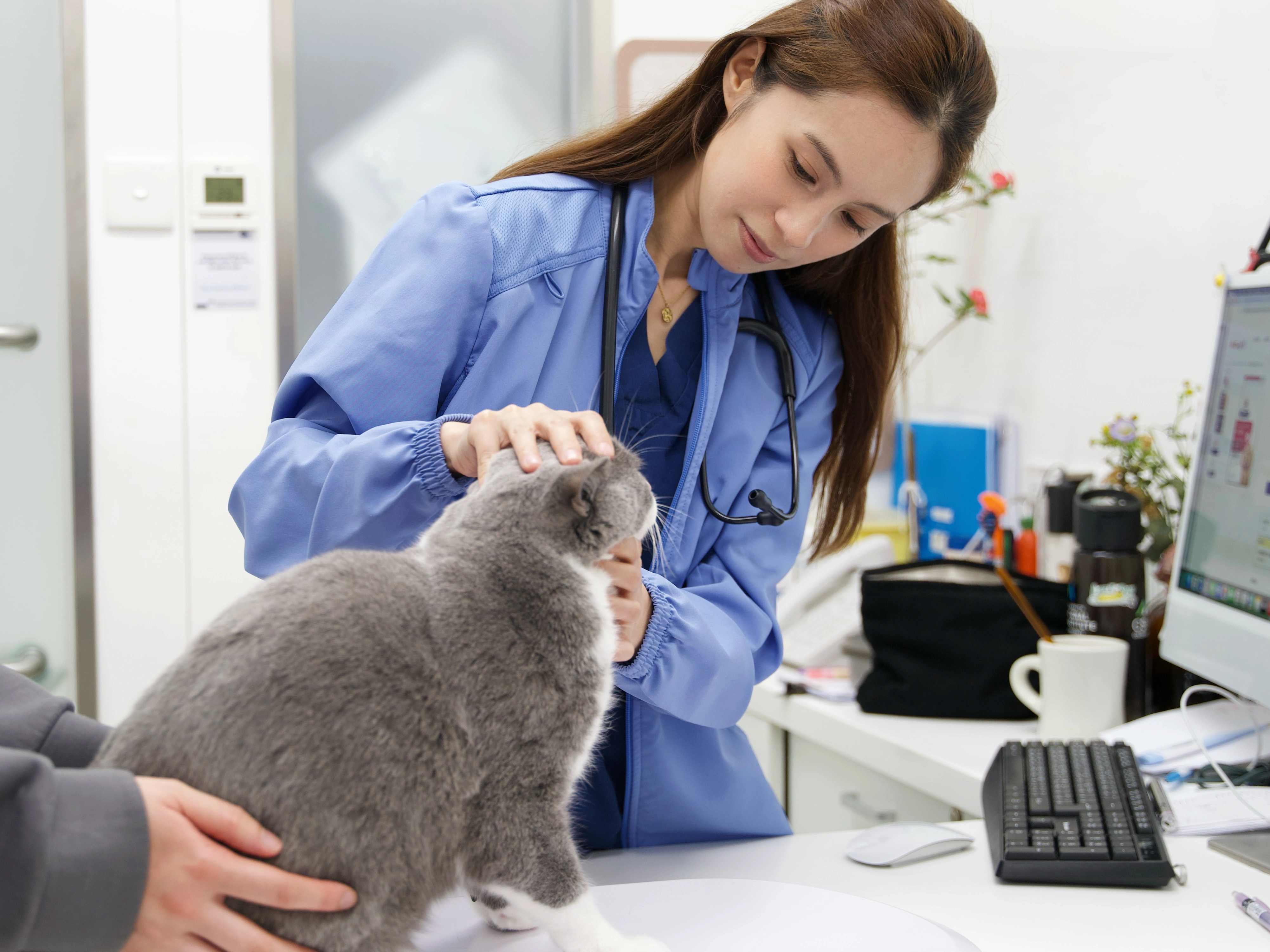
A vaccine visit should not be treated as “just an injection”. A veterinary team will normally assess whether your dog appears well enough for vaccination on the day. This may include reviewing appetite, energy level, temperature, heart and breathing status, skin condition and overall health. If there are concerns, the veterinarian may recommend examination first, postponement or a modified vaccination plan.
Some dogs may be quieter than usual after vaccination, have mild soreness at the injection site, a temporary decrease in appetite or a low-grade fever. These signs are often short-lived. Owners can allow the dog to rest and avoid strenuous exercise on the day of vaccination.
More serious signs need prompt veterinary attention. These include facial, eyelid or lip swelling, repeated vomiting or diarrhoea, breathing difficulty, wheezing, collapse, seizures or abnormal consciousness. Do not give human painkillers or antihistamines unless instructed by a veterinarian, as some human medications can be dangerous for dogs.
Vaccination fees can vary because clinics may include different services, vaccine brands, veterinary examinations, dog licence support, microchip-related services, documentation or extra health assessments. A simple price table can therefore be misleading. It is also inaccurate to describe Hong Kong as having ordinary “government veterinary clinics” for routine private pet healthcare. While both rabies vaccination and dog licensing are managed by the AFCD, authorized private veterinary clinics can administer the vaccination and help process the paperwork required for the government to issue your dog's license.
Before booking, owners should ask what the vaccination appointment includes, which vaccine will be used, whether a physical examination is included, whether dog licence or microchip matters can be handled, what documents are required, and what to do if the dog has incomplete records. These questions help protect the dog’s health and reduce misunderstanding at the reception desk.
After vaccination, keep your dog’s vaccination card. If a dog licence is involved, follow AFCD requirements and keep the licence information updated. AFCD provides an electronic dog licence as an additional form of dog licence, but this should not be confused with a clinic-issued electronic vaccination certificate. Boarding facilities, groomers, training centres, events and overseas travel may each have different document requirements, so owners should check early rather than leaving it until the last few days.
Regular vaccination is an essential part of preventing serious infectious disease and supporting public health. For Hong Kong dog owners, vaccination planning is often connected with vaccination cards, dog licences, microchips, boarding or grooming requirements and everyday lifestyle risk. If you are unsure whether your dog is due for a booster, whether the dog licence has expired, whether the vaccination card is sufficient, or whether a previous reaction affects future vaccination, contact Concordia Pet Care for a wellness exam and vaccine assessment.
· Concordia Pet Care - General Health Care: https://en.concordiapetcare.com/service/general/general-health-care/
· AFCD / Pets.gov.hk - Dog Licence: https://www.pets.gov.hk/english/proper_care_of_pets/dogs/dog_licence.html
· Hong Kong e-Legislation - Rabies Regulation Cap. 421A: https://www.elegislation.gov.hk/hk/cap421A!en
· WSAVA Vaccination Guidelines 2024: https://wsava.org/wp-content/uploads/2024/04/WSAVA-Vaccination-guidelines-2024.pdf
· AAHA Canine Vaccination Guidelines: https://www.aaha.org/resources/2022-aaha-canine-vaccination-guidelines/
· WHO - Rabies Fact Sheet: https://www.who.int/news-room/fact-sheets/detail/rabies
· WOAH - Rabies: https://www.woah.org/en/disease/rabies/
 @concordiapetcare










 HOME PAGE