CONCORDIA NEWS
We will protect your pet with 100% care and professionalism!
 Concordia Pet Care
 2026-05-27


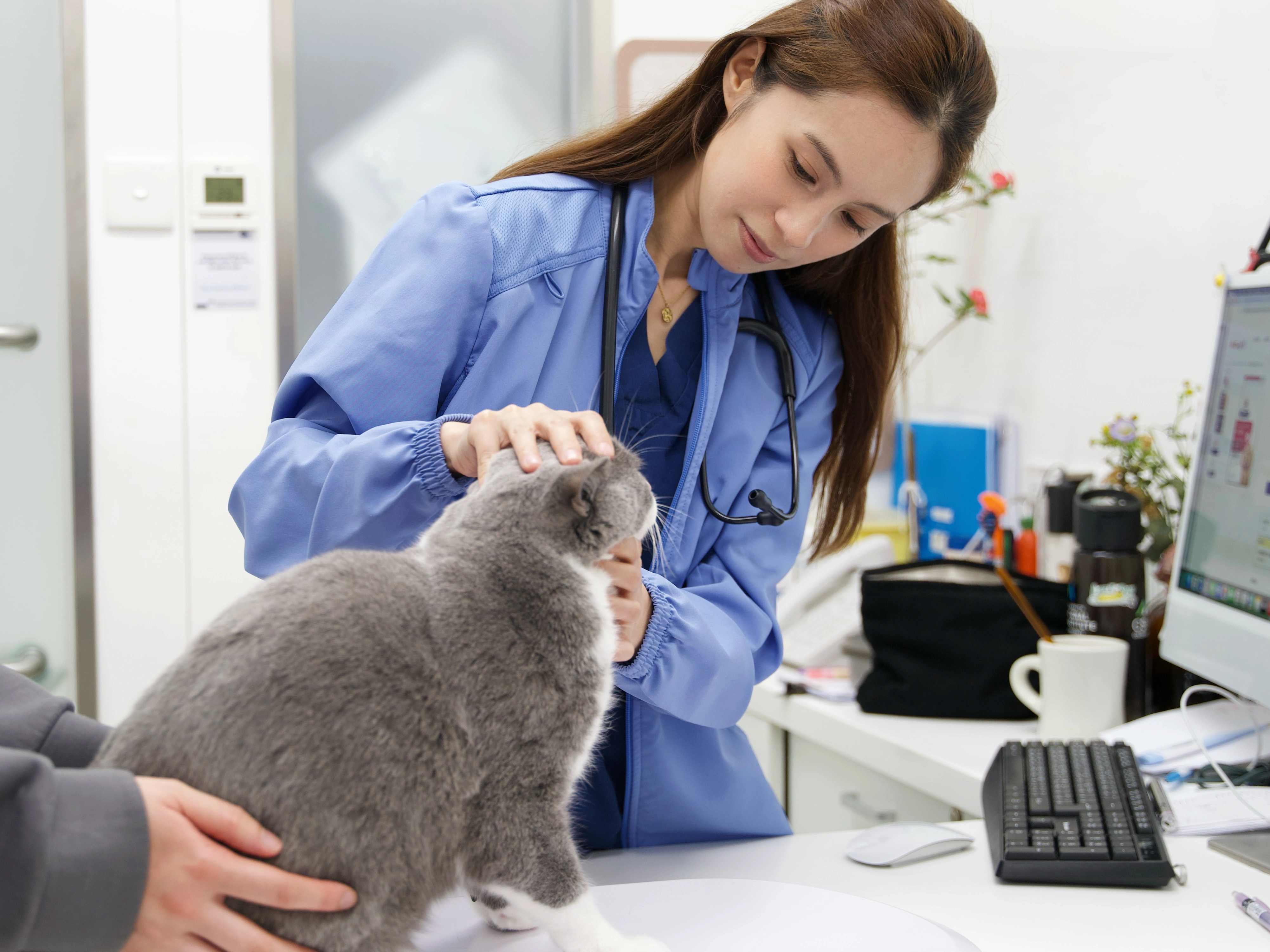
Your cat has been sneezing more than usual, their nose looks a little runny, and they seem less interested in playtime. Sound familiar? If you've found yourself wondering how to know if my cat has a cold, you're not alone. Feline upper respiratory infections are one of the most common health issues cats face, and they can look a lot like the sniffles we get ourselves.
The good news is that most cat colds are manageable with proper care. That said, knowing what to look for and when to seek professional help can make a real difference in your cat's recovery.
A “cat cold” is the informal term for a feline upper respiratory infection (URI), an illness that affects the nose, throat, and sinuses. It resembles a human cold on the surface, but is caused by entirely different pathogens and cannot be passed between species.
· Feline herpesvirus (FHV-1): A highly contagious virus that triggers sneezing, eye discharge, and nasal congestion. Once infected, it stays dormant and can reactivate under stress.
· Feline calicivirus (FCV): A widespread pathogen that often presents with mouth ulcers, drooling, and mild respiratory symptoms. Certain strains can also cause joint pain, especially in younger cats.
· Bacterial infections: Organisms like Bordetella bronchiseptica and Chlamydophila felis can cause illness on their own or worsen an existing viral infection.
Frequent sneezing is typically the first sign pet owners notice, and nasal discharge may thicken and turn yellow or green as the infection progresses. A congested, raspy breathing quality through the nose is another common indicator.
Ocular discharge is a hallmark of feline herpesvirus and can range from clear and watery to thick and mucous-like. In more severe cases, the eyelids may crust shut, and the conjunctiva may appear red and swollen.
A sick cat will often withdraw from their routines, with reduced activity and disinterest in food being the most telling signs. Since cats rely heavily on smell to stimulate appetite, nasal congestion alone can make even a favorite meal unappealing.
Painful sores inside the mouth are more closely linked to feline calicivirus, and affected cats may drool or avoid eating due to oral discomfort. Open-mouth breathing or a dry, intermittent cough may also develop as congestion worsens.
Cat cold viruses spread through direct contact with an infected cat via nasal and eye secretions. Shared bowls and litter boxes are also common routes, making multi-cat households and shelter environments higher-risk settings.
Kittens under six months are particularly susceptible because their immune systems are still maturing. Senior cats or those with chronic conditions like feline immunodeficiency virus (FIV) or feline leukemia virus (FeLV) also tend to experience more severe infections.
In cats with feline herpesvirus, stress is the most common trigger for viral reactivation. Major changes, such as moving or the arrival of a new pet, are frequent culprits, so a stable, predictable environment can go a long way.
Set up a cozy, draft-free area where your cat can rest away from other pets and noise. Undisturbed rest is one of the most effective tools in early recovery, so limit excessive handling.
Sitting with your cat in a steamy bathroom for 10 to 15 minutes a couple of times daily can help loosen mucus and ease breathing. A cool-mist humidifier near their resting area offers similar relief between sessions.
Gently warming wet food can intensify its aroma and make it more appealing to a congested cat. Low-sodium broth (free of onion and garlic) can also encourage fluid intake if they aren’t drinking enough.
Never give your cat human cold medications, including decongestants, antihistamines, or acetaminophen, as these are toxic and can cause serious or fatal reactions. Essential oils such as eucalyptus and tea tree are equally dangerous.
Not all cat cold symptoms can be managed at home. Certain signs call for a veterinary visit right away. Watch for:
· Labored breathing or breathing with an open mouth
· Complete refusal to eat or drink for more than 24 hours
· Eye discharge that is thick, green, or causing the eyelids to seal shut
· A high fever or significantly elevated body temperature
· Symptoms that worsen or fail to improve after 3 to 4 days
· Kittens showing any respiratory symptoms, as they can deteriorate quickly
Your vet will start with a physical exam and a review of your cat's vaccine history. Diagnostic testing may include:
· Swabs from the eyes, nose, or throat for viral or bacterial culture
· Blood work to rule out secondary infections or assess immune function
· Chest X-rays if pneumonia is suspected
Treatment varies by severity. Antivirals may be prescribed for herpesvirus flare-ups, while antibiotics address bacterial involvement. Severely ill cats may also need IV fluids, nutritional support, or eye medications.
Ignoring a respiratory infection can lead to serious complications, particularly in kittens and immunocompromised cats. Left unaddressed, a simple URI can progress to:
· Bacterial pneumonia
· Chronic nasal congestion or sinusitis
· Corneal ulcers from untreated eye infections
· Severe dehydration and malnutrition in cats that stop eating
The core feline vaccine (FVRCP) covers FHV-1, FCV, and panleukopenia, and while it may not prevent infection entirely, it significantly reduces symptom severity. Kittens receive this as part of their initial series, with boosters recommended throughout adulthood.
A predictable routine, adequate enrichment, and space to retreat when needed all help keep stress levels low. Pheromone diffusers can also benefit cats prone to anxiety or adjusting to environmental changes.
A balanced, age-appropriate diet is the foundation of good immune health, and routine wellness visits allow your vet to catch early signs of illness before they escalate. Cats prone to herpesvirus flare-ups may benefit from L-lysine supplementation, though this should be discussed with your vet first.
Knowing how to tell if your cat has a cold and staying alert to common symptoms puts you in the best position to act quickly and keep your cat comfortable. Long-term preventive care matters just as much as treating an active infection, especially for cats who carry dormant viruses.
If you're concerned about your cat's health or want personalized guidance on prevention and care, Concordia Pet Care is here to help. Our experienced veterinary team is available 24 hours a day to support your cat at every stage of their health journey. Don't wait until symptoms worsen — get in touch with us to schedule a consultation.
Concordia Pet Care's veterinary team is here to provide professional guidance. Book a consultation today.
References:
• https://www.petmd.com/cat/conditions/respiratory/cat-colds
• https://www.four-paws.org/our-stories/publications-guides/cat-cold-what-to-do
 @concordiapetcare









 HOME PAGE