CONCORDIA NEWS
We will protect your pet with 100% care and professionalism!
 Concordia Pet Care
 2026-05-19


Dog ear infections are a common issue that many pet owners encounter at some point. While they may start as mild irritation, a dog ear infection can quickly become uncomfortable and even painful if left untreated. Understanding the early signs and knowing how to respond can make a significant difference in your dog’s comfort and overall health.
Many cases of dog ear infections are preventable with proper care, but factors such as moisture, allergies, and ear structure can increase the risk. This guide will walk you through everything you need to know about canine ear infection symptoms, causes, treatment options, and simple at-home care tips.
A dog ear infection occurs when bacteria, yeast, or parasites cause inflammation within the ear canal. This condition, also known as a caine ear infection, can affect one or both ears and vary in severity depending on how deep the infection extends.
Dogs and ear infections are closely linked, as ear infections are among the most frequently diagnosed conditions in veterinary clinics. Certain dogs, especially those with floppy ears or allergies, are more prone to recurring infections.
There are three main types of canine ear infection:
Otitis externa: Infection of the outer ear canal (most common)
Otitis media: Infection of the middle ear
Otitis interna: Infection of the inner ear, which can affect balance and hearing
The deeper the infection, the more serious the condition becomes, often requiring more intensive treatment.
Recognizing early symptoms of a dog ear infection can help prevent complications and speed up recovery.
Frequent head shaking or persistent scratching is often one of the first signs. Dogs may try to relieve discomfort caused by irritation or buildup inside the ear.
Inflamed ears may appear red, swollen, and warm to the touch. A strong or unusual odor is also a common indicator of a canine ear infection.
You may notice discharge that are yellow, brown, or black in color. In some cases, crusting can form around the ear opening.
Dogs experiencing ear infections may become more irritable, withdrawn, or sensitive when their ears are touched. Some may tilt their head or show signs of pain when chewing or opening their mouth.
Understanding the root causes of a dog ear infection is key to both treatment and prevention.
Bacteria and yeast naturally live in the ear, but overgrowth can occur when the environment becomes unbalanced. Moisture, warmth, and debris can create ideal conditions for infections.
Ear mites are tiny parasites that can cause intense itching and inflammation, particularly in younger dogs. They are highly contagious and require prompt treatment.
Whether environmental or food-related, allergies are a leading cause of recurring canine ear infection cases. Skin inflammation can extend into the ear canal, increasing the risk of infection.
Dogs with floppy ears or narrow ear canals are more prone to infections because moisture and debris can become trapped easily. Swimming or frequent bathing without proper drying can also contribute to ear infections.
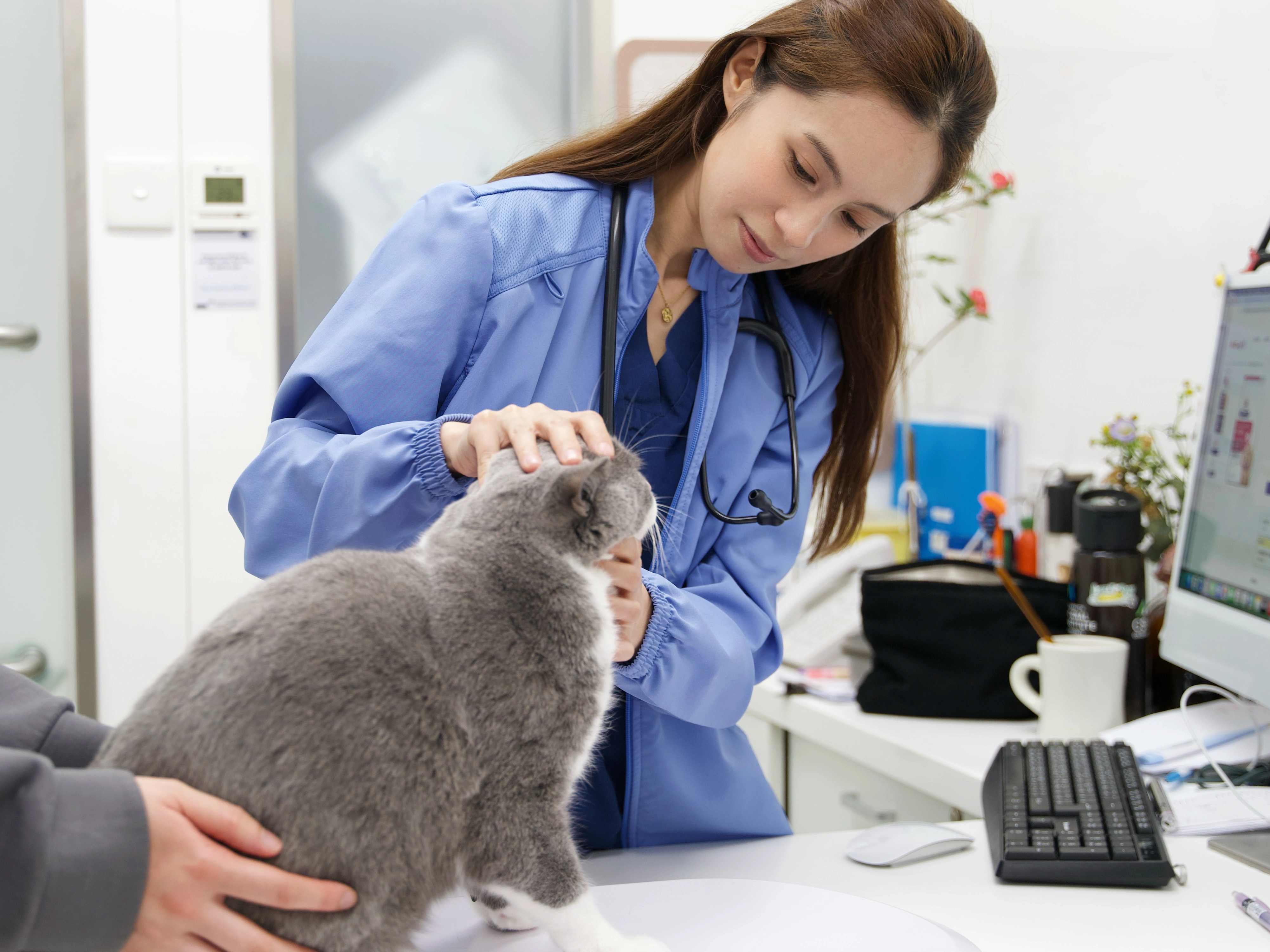
If you suspect your dog has an ear infection, a veterinarian can provide an accurate diagnosis and an appropriate treatment plan.
The vet will examine your dog’s ears using an otoscope, a tool that allows them to see deep inside the ear canal. This helps identify inflammation, debris, or damage.
A sample of ear discharge may be collected and examined under a microscope. This process, known as cytology, helps determine whether bacteria, yeast, or parasites are causing the canine ear infection.
For mild cases or as part of ongoing care, certain at-home practices can support recovery and prevent recurrence.
Regular ear cleaning helps remove debris and excess wax. Use a soft cloth or cotton pad with a vet-approved cleaner and avoid inserting anything deep into the ear canal.
Only use ear cleaning solutions recommended by your veterinarian. These are formulated to maintain the proper pH balance and avoid further irritation.
Moisture is a major contributor to ear infections in dogs. Always dry your dog’s ears thoroughly after bathing or swimming.
Avoid using cotton swabs deep inside the ear, as they can push debris further in or cause injury. Do not use human medications or home remedies without veterinary guidance, as these can worsen the condition.
While some mild cases can be managed at home, many dog ear infection cases require professional treatment.
Seek veterinary attention if you notice:
Persistent symptoms lasting more than a few days
Severe redness, swelling, or pain
Foul-smelling discharge
Loss of balance or head tilting
Hearing changes or sensitivity
Untreated canine ear infection cases can worsen over time, potentially leading to chronic infections, hearing loss, or damage to the ear canal. In severe cases, infections can spread to deeper parts of the ear, making treatment more complex.
Prevention plays a key role in reducing the risk of ear infections in dogs, especially for dogs prone to recurring issues.
Inspect your dog’s ears regularly for signs of redness, odor, or discharge. Routine cleaning can help prevent buildup that leads to infection.
If your dog has allergies, work with your veterinarian to manage triggers. A balanced diet and proper care can reduce inflammation and lower the risk of canine ear infection.
Dogs with floppy ears may benefit from regular grooming to improve airflow. Keeping ear hair trimmed and clean can help prevent moisture buildup.
An ear infection can be uncomfortable for your pet, but with early detection and proper care, most cases can be treated effectively. Understanding the symptoms, causes, and preventive measures can help you protect your dog from recurring issues.
If you notice signs of a canine ear infection, it is always best to seek professional advice. Early intervention can prevent complications and ensure your dog stays comfortable and healthy.
The veterinarians at Concordia Pet Care are always available to provide expert guidance and ensure your dog’s ears are well cared for. If your dog is showing signs of an ear infection, don’t wait—schedule a consultation today.
References:
• https://www.petmd.com/dog/conditions/dog-ear-infections
• https://www.akc.org/expert-advice/health/dog-ear-infections/
 @concordiapetcare











 HOME PAGE