CONCORDIA NEWS
We will protect your pet with 100% care and professionalism!
 Concordia Pet Care
 2026-05-19


Constipation in cats is a common but often overlooked health issue that can cause significant discomfort if left untreated. While occasional changes in bowel habits may not be alarming, persistent difficulty passing stool can indicate an underlying problem that requires attention.
Understanding the symptoms of cat constipation, identifying its causes, and knowing how to provide safe remedies can help keep your feline companion healthy and comfortable. This guide covers everything you need to know about recognizing, treating, and preventing constipation in cats.
Cat constipation occurs when a cat has difficulty passing stool or experiences infrequent bowel movements. This can lead to discomfort, straining, and, in severe cases, serious health complications.
Most healthy cats have at least one bowel movement per day. Stool should be well-formed but not overly hard. If your cat skips days, produces very small or dry stools, or strains in the litter box, it may indicate constipation in cats.
Constipation is relatively common, particularly in older cats or those with underlying health conditions. Factors like diet, hydration, and lifestyle all play a role in a cat’s digestive health.
Recognizing cat constipation symptoms early can help prevent complications and ensure timely treatment.
One of the most noticeable signs is straining while trying to defecate. Some cats may vocalize or appear distressed.
Stools that are unusually hard, dry, or small can indicate that your cat is not passing waste normally.
If your cat hasn't had a bowel movement in more than 48 hours, it may be a sign of constipation.
More severe cases may lead to decreased appetite, vomiting, or low energy levels.
Cats may appear uncomfortable, with a firm or bloated abdomen, and may avoid being touched.
There are several possible causes of constipation in cats, ranging from lifestyle factors to medical conditions.
Insufficient water intake is one of the leading causes of cat constipation. Without enough hydration, stools become dry and difficult to pass.
Diet plays a crucial role in digestive health. A lack of fiber or poor-quality food can contribute to constipation.
Cats that groom excessively may ingest large amounts of hair, which can accumulate in the digestive tract and cause blockages.
Sedentary cats are more prone to digestive issues. Regular movement helps stimulate normal bowel function.
Changes in routine, new pets, or a dirty litter box can lead to stress, which may affect bowel habits.
Certain medical conditions can lead to chronic constipation. For example, arthritis may make it painful for cats to assume proper posture in the litter box, while a megacolon can impair the colon’s ability to move stool effectively.
Seek veterinary care if your cat shows:
No bowel movement for more than 2–3 days
Repeated straining without producing stool
Vomiting or severe lethargy
Signs of pain or distress
Untreated constipation can lead to obstipation, a severe condition where the colon becomes impacted with hard stool. This may require intensive medical treatment and can be life-threatening if ignored.
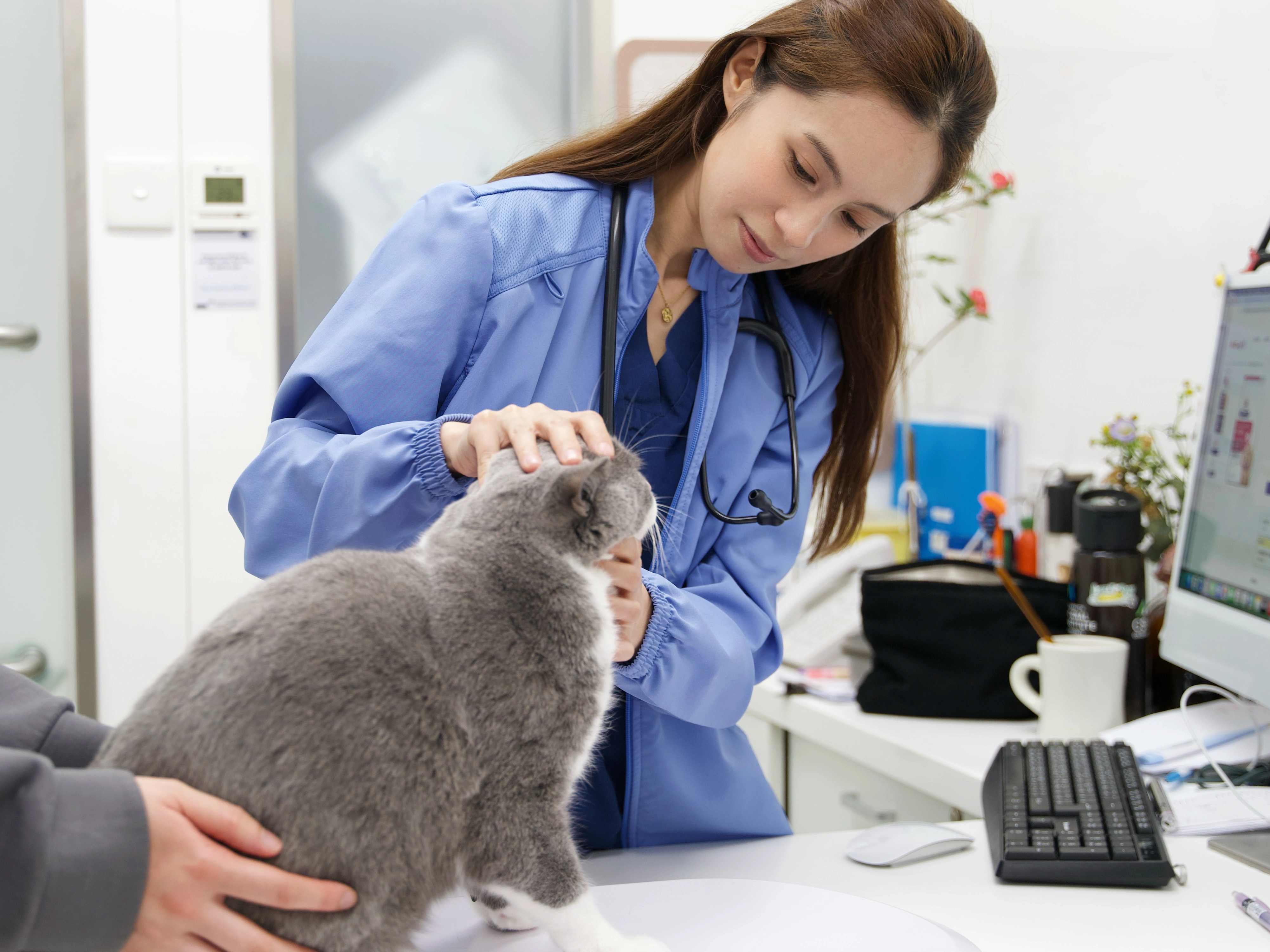
A veterinarian will begin with a physical examination, gently feeling the abdomen to check for retained stool or discomfort.
X-rays or ultrasounds may be used to assess the severity of constipation. Blood tests can help identify underlying conditions contributing to the issue.
There are several effective constipation remedies for cats available, depending on the severity and underlying cause.
Encouraging your cat to drink more water is often the first step. Wet food, water fountains, and multiple water bowls can help improve hydration.
A veterinarian may recommend a high-fiber diet or specific foods designed to support digestive health.
In some cases, vets may prescribe laxatives or stool softeners to help ease bowel movements. These should only be used under veterinary guidance.
For severe cases, enemas or manual removal of impacted stool may be necessary. These procedures should always be performed by a veterinarian.
Regular exercise helps stimulate digestion. Engage your cat with toys and play sessions to keep them active.
Ensure the litter box is clean, accessible, and placed in a quiet location. Some cats avoid using dirty or inconvenient litter boxes.
Regular brushing reduces the amount of hair your cat ingests, lowering the risk of blockages.
Probiotics help maintain a healthy digestive system and improve bowel regularity. Consult your veterinarian before introducing supplements.
Make sure your cat always has access to fresh, clean water. Consider adding moisture-rich foods to their diet.
Feeding a well-balanced diet tailored to your cat’s needs is key to preventing digestive issues.
Regular veterinary visits help detect early signs of health issues that may lead to constipation in cats.
Cat constipation can be uncomfortable and, if left untreated, may lead to more serious health problems. By recognizing cat constipation symptoms early and understanding the causes, you can take proactive steps to support your cat’s digestive health.
Simple changes such as improving hydration, adjusting diet, and encouraging regular activity can provide effective constipation relief for cats. However, persistent or severe symptoms should always be evaluated by a veterinarian.
The veterinarians at Concordia Pet Care are always available to provide expert guidance and personalized care for your cat’s digestive health. Book a consultation today.
References:
• https://vcahospitals.com/know-your-pet/constipation-in-cats
• https://www.petmd.com/cat/conditions/digestive/cat-constipation-symptoms-causes
 @concordiapetcare










 HOME PAGE