Our Canine and Feline Specialist Services
Canine and Feline Internal Medicine and Chronic Disease Management
This includes renal and urinary tract diseases, endocrine conditions, digestive problems, chronic diseases, health concerns in senior animals, immune-related diseases and other canine and feline cases requiring ongoing monitoring. The clinician considers the medical history, physical examination, in-house laboratory tests and imaging findings to develop an individual treatment and follow-up plan.
Orthopaedic and Trauma Surgery
This includes tibial plateau levelling osteotomy (TPLO), correction of patellar luxation (MPL), cranial cruciate ligament surgery, fracture reduction and fixation, corrective osteotomy, management of joint dislocations, and hip joint reduction and fixation. The surgical approach is assessed according to the animal's age, weight, activity needs, imaging findings and overall health.
Soft Tissue, Thoracic and Abdominal Surgery
This includes tumour removal, tissue biopsy, adrenalectomy, diaphragmatic hernia repair, lung lobectomy, gastrointestinal surgery, cholecystectomy, biliary stenting, partial pancreatectomy, urethral surgery, thoracic surgery, and surgical assessment of airway problems in brachycephalic cats and dogs. All procedures require a clinical examination and preoperative assessment by a veterinarian.
Endoscopy, Laparoscopy and Minimally Invasive Surgery
This includes endoscopic examination, removal of gastrointestinal or respiratory tract foreign bodies, tissue biopsy, exploratory laparoscopy, laparoscopic ovariectomy, gastropexy, removal of retained testicles and other cases requiring a minimally invasive approach. You can first learn about our endoscopy referral service; the veterinarian will then assess whether the relevant procedure is suitable for the individual case.
Oncology and Complex-Case Assessment
For cats and dogs with unexplained lumps, recurring symptoms, abnormal imaging findings, a progressively deteriorating condition or a need for input from different clinical disciplines, our team can arrange laboratory tests, diagnostic imaging, biopsies, surgical assessment or specialist referral as needed. This helps owners understand the available treatment options and subsequent care arrangements.
Advanced Imaging and Diagnostics
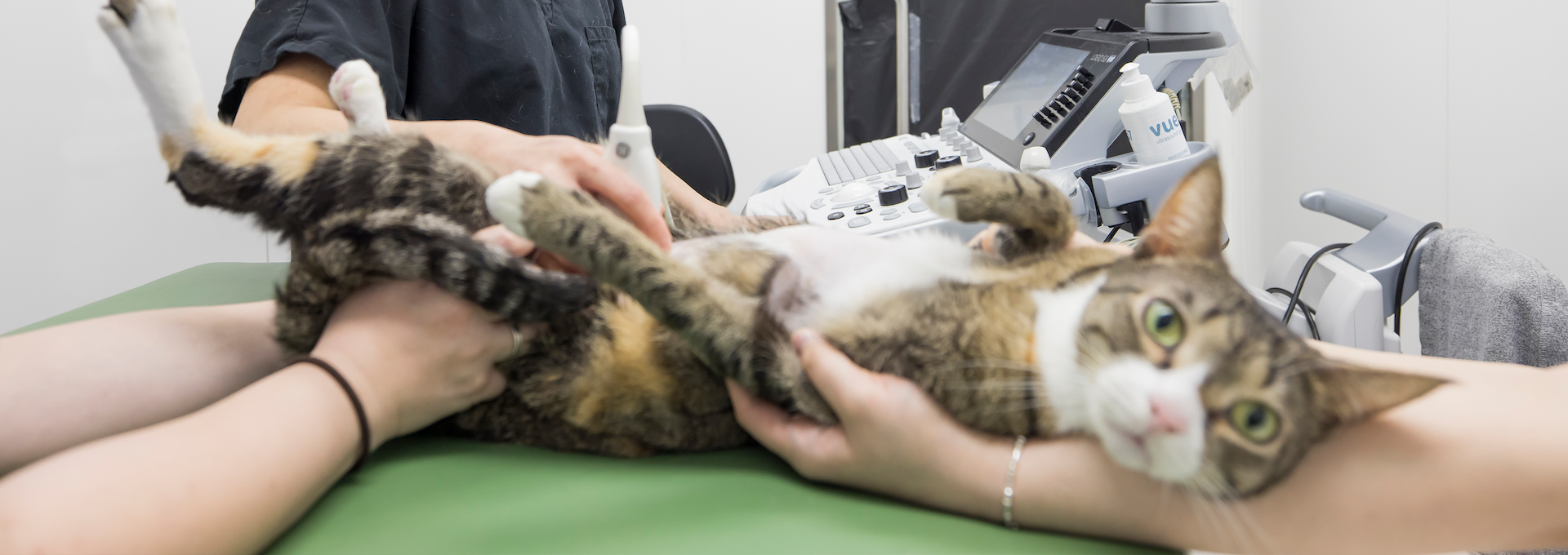
Depending on clinical needs, investigations may include X-rays and ultrasound, computed tomography (CT), endoscopy, in-house laboratory tests and tissue biopsies. Tests are selected according to symptoms, medical history and initial examination findings, and the veterinarian will explain the results and the next steps.
Dental and Oral Care
Bad breath, red or swollen gums, loose teeth, difficulty chewing or changes in eating habits may warrant a veterinary examination. Dental care and treatment, dental imaging and assessment for related oral surgery can be arranged as needed.
Acupuncture, Pain Management and Rehabilitation Support
For cats and dogs with chronic pain, those recovering from surgery, those with reduced mobility or those needing coordinated care, owners can discuss supportive options such as acupuncture and laser therapy with the veterinarian. The treatment approach depends on the individual animal's condition and veterinary assessment.
Emergency Support for Cats and Dogs
If your cat or dog has difficulty breathing, loses consciousness, has seizures or severe bleeding, cannot urinate, suddenly cannot stand, or shows other critical signs, please call 2679 1000 first. See our 24-hour emergency veterinary service for cats and dogs for information about attending the hospital.
The Canine and Feline Specialist Care Process
1. Booking and Understanding the Case
Our team first gathers information about your cat or dog's main symptoms, medical history, current medication and purpose of referral, then arranges an appropriate appointment and veterinarian according to the case.
2. Clinical Examination and Diagnostic Planning
The veterinarian conducts a clinical examination, reviews existing reports and images, and recommends investigations such as in-house laboratory tests, diagnostic imaging, CT, endoscopy or biopsy as needed.
3. Discussing Treatment Options
After the initial assessment, our team discusses the diagnostic findings, treatment options, potential risks, expected recovery and subsequent care with the owner. If surgery or hospitalisation is needed, preoperative assessment and the necessary preparations will be arranged according to the case.
4. Treatment and Follow-up
After treatment, follow-up consultations, medication, home care, rehabilitation or a return to the treating veterinarian will be arranged according to the cat or dog's needs. Treatment plans for emergency or complex cases may be adjusted in response to clinical progress.







 Appointment







 HOME PAGE